


Generocity HK
Generocity HK
STORIES LIKE THESE ARE TOO COMMON:
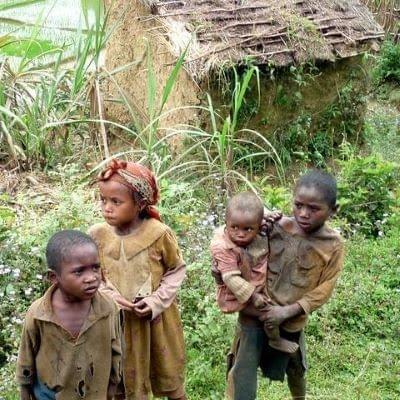
POVERTY
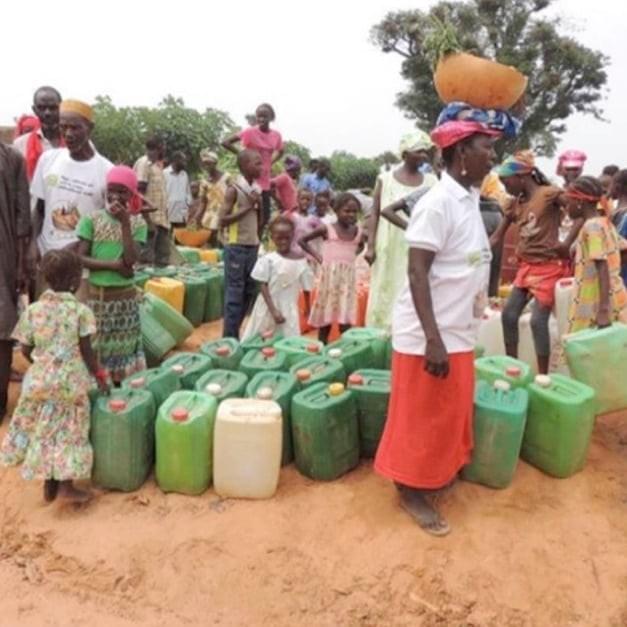
WATER
In several locations in Senegal, it took an average of 9.7 hours for each household to collect water, including the time to travel, wait in line, and fill the container. Because the wells were shallow and the water not cleaned, water-borne diseases were common.
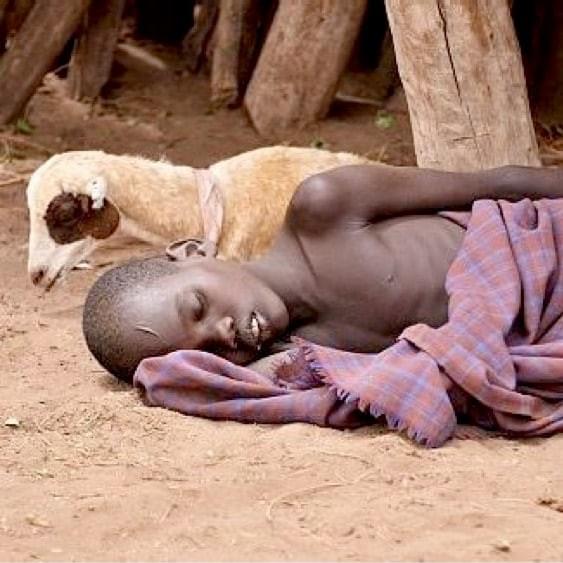
DISEASE
Malaria causes fatigue and fever, and is carried by mosquitos. In 2023, the disease sickened 260 million people and killed 600,000.
HOW CAN DEVELOPMENT ASSISTANCE HELP?

POVERTY
Denmark funded training for farmers in Bangladesh. Families in the program increased their income 17% more than similar families outside the program. They also grew a greater variety of crops and were less likely to suffer food shortages. The benefits exceeded the cost of the program within a year.

WATER
The Korea International Cooperation Agency paid HK$43 million to build wells, tanks, and pumps to supply water for about 100,000 people in 12 locations in Senegal. Water-borne disease greatly decreased. Girls who had walked kilometers daily to fetch water now have more time for school. Farm animals became healthier and more profitable.

DISEASE
Sleeping under bed nets like this one can prevent mosquito bites and malaria. The Global Fund to Fight AIDS, Tuberculosis and Malaria was created in 2002 to fight three of the world’s most devastating diseases. By 2025, it spent HK$550 billion worldwide and saved about 70 million lives, more than nine times the population of Hong Kong.

HOW DID THE WORLD RESPOND?
Established in 2015, the UN Sustainable Development Goal’s Target 17.2 calls for developed economies to contribute at least 0.7% of Gross National Income (GNI) as ODA. A number of countries, including Sweden, Luxembourg and Germany, meet this goal, and many other nations donate substantial amounts.
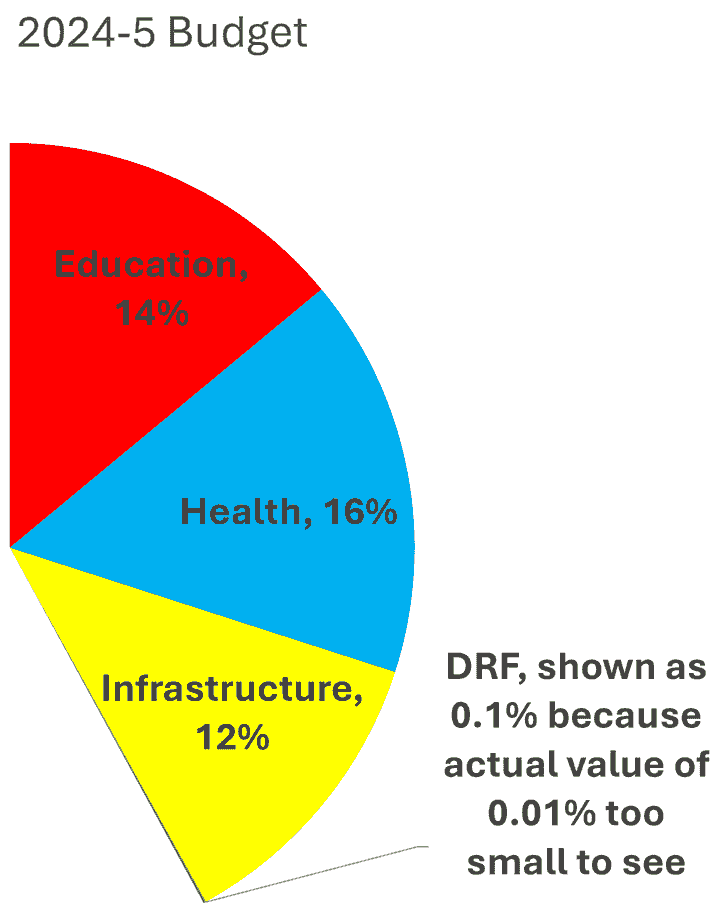
HOW DID HONG KONG RESPOND?
Currently, the Hong Kong government gives very little official development aid, far below what other developed economies donate per capita.
There is currently no spending on recurring development assistance, though the Hong Kong government does spend a variable amount on emergency disaster relief, ranging in recent years from HK$29 million (in 2021-2) to HK$139 million (in 2023-4), or 0.0009% to 0.004% of the 2024-5 GNI of HK$3.4 trillion. For comparison, the Hong Kong government allocates 3.3%, 3.8% and 2.9% of Hong Kong’s GNI, or 14%, 16% and 12% of its budget (p. 142) to education, health, and infrastructure, respectively.


